
serengeti national park
Overview
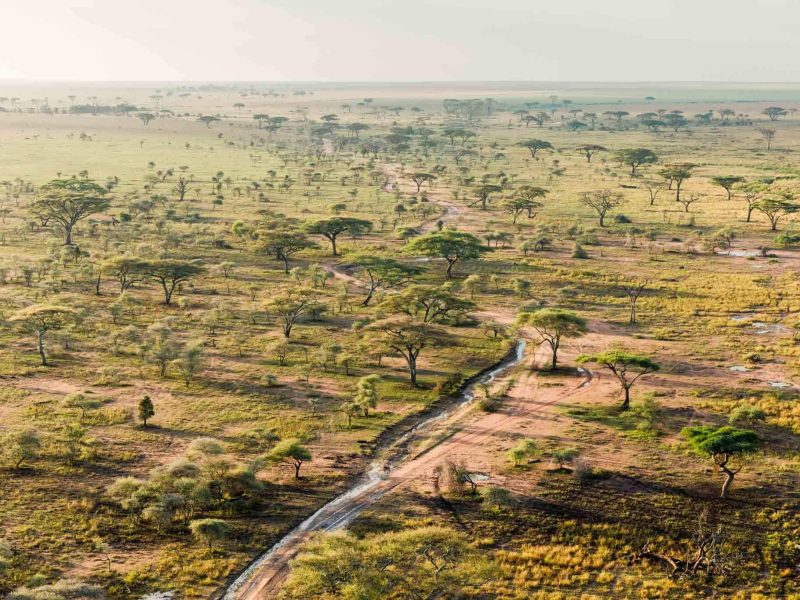
The name Serengeti comes from the Maa word “Siringet”, meaning “the land that runs on forever.” It’s an accurate description of the landscape; open and endless. Spanning roughly 14,750 square kilometers, Serengeti National Park is one of the largest and most celebrated protected areas in Africa. It lies in northern Tanzania, forming the core of the broader Serengeti-Maasai Mara ecosystem, which stretches across the border into Kenya.
Designated a UNESCO World Heritage Site, Serengeti is not only a park but a living, breathing natural system. One of the few places on Earth where large-scale wildlife movement still takes place freely. From its grassy plains and granite outcrops to river corridors and seasonal swamps, the park’s varied terrain supports immense biodiversity. The land here is wild, but it’s also remarkably accessible all year round.
Wildlife
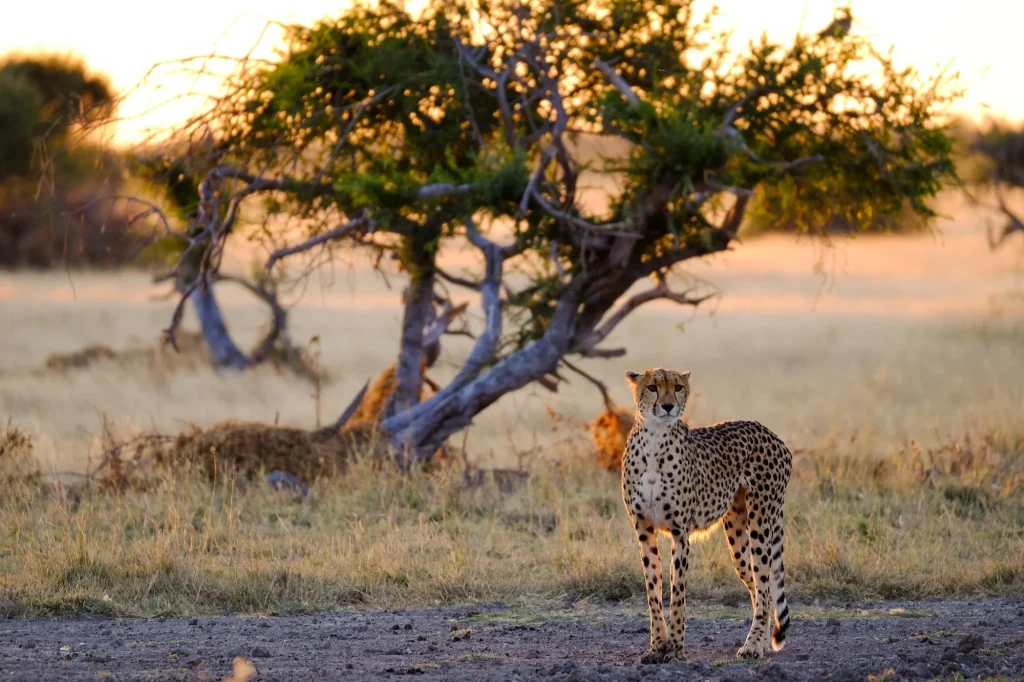
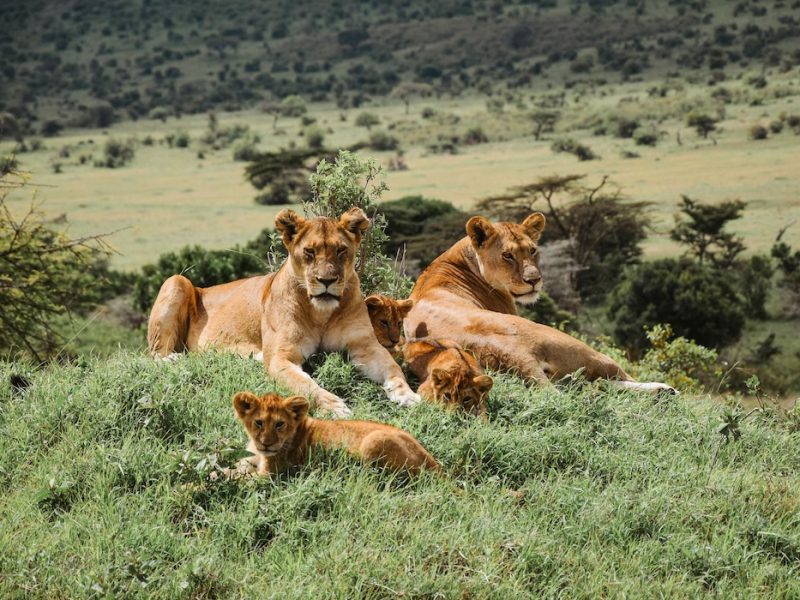
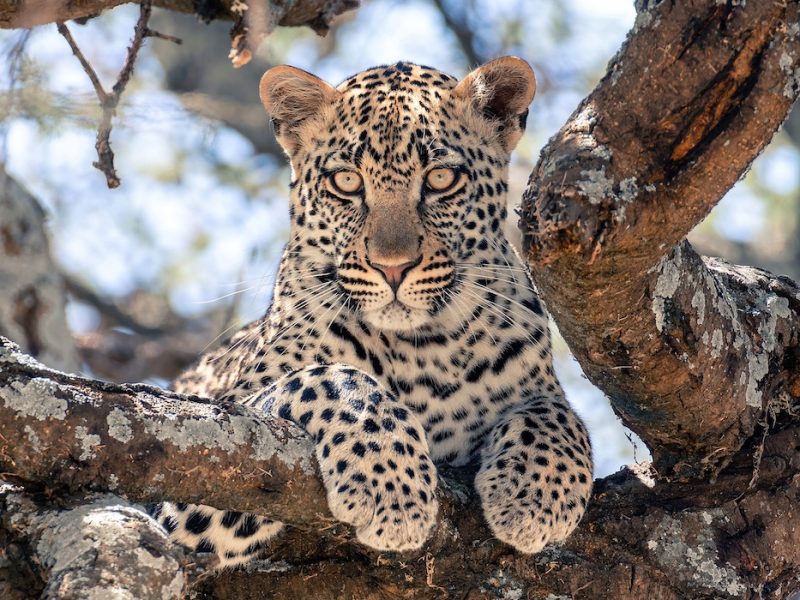
While the park is best known for the Great Migration, its wildlife population remains astonishing; Africa’s big predators, and it is one of the best places on the continent to observe large prides of lions. Cheetahs prefer the flatter southern grasslands, while leopards tend to favor the more wooded and rocky areas along rivers and kopjes. Hyenas often seen moving in large, vocal clans.
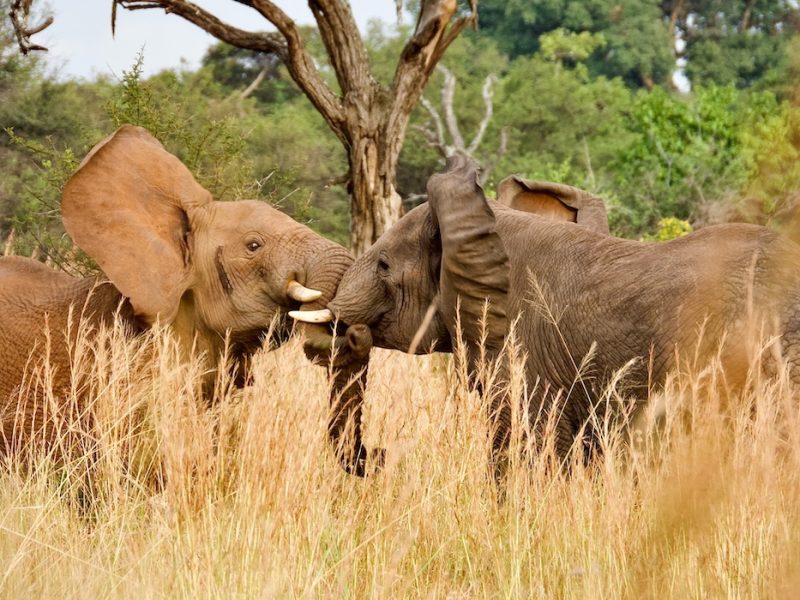
Elephants, though more commonly found in the central and northern parts of the park, are present in healthy numbers. Buffalos are widespread, as are giraffes, warthogs, and several types of antelope, including topi, impala, and Thomson’s and Grant’s gazelles. Birdlife is equally diverse, from large ostriches and secretary birds to raptors.
What makes Serengeti so unique is not only the abundance of wildlife, but the feeling of its space. Days often start slowly. Watching a distant lion stir in the grass, following vultures to a possible kill, or catching the low thump of hooves across the earth long before the animals come into view. Wildlife encounters here are often surprising, shaped by the openness of the land.
The Wildebeest Migration
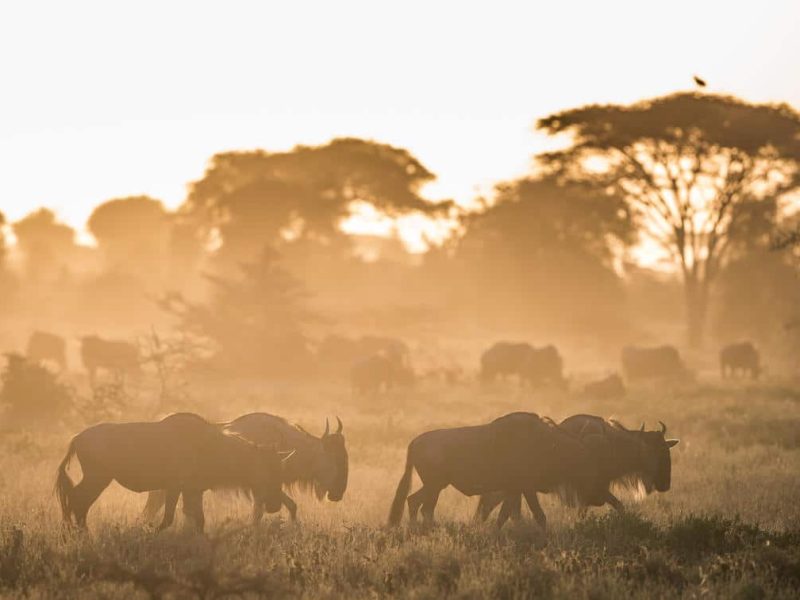
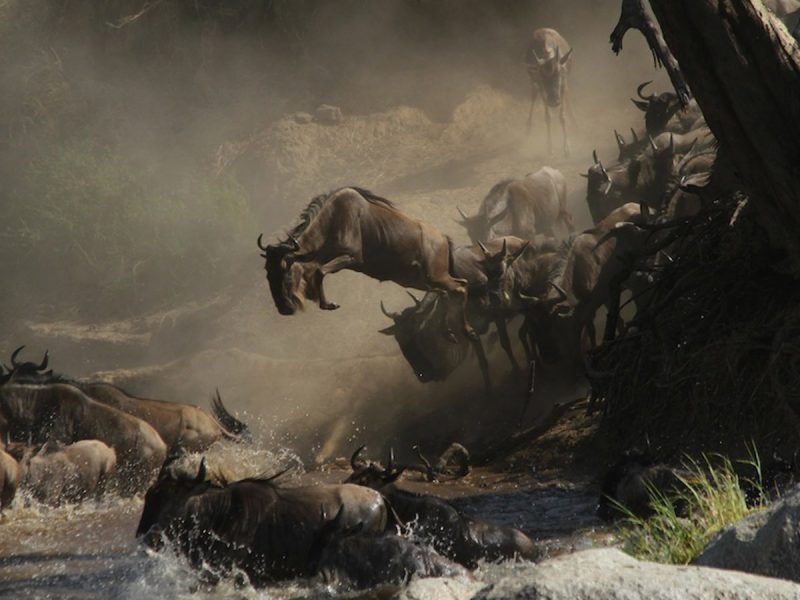
The Great Migration is the largest and most dramatic movement of land mammals on the planet. An estimated 1.5 million wildebeests, accompanied by hundreds of thousands of zebras and gazelles, move in a circular pattern through the Serengeti and Kenya’s Maasai Mara in search of fresh grazing and water. It’s a raw, unpredictable journey inspired by rain, instinct, and survival.
Migration Pattern
The cycle begins in the southern Serengeti, where calving season takes place on the open plains. As the short grasses dry, herds begin to shift northwest, gathering momentum as they move toward the Grumeti River.
From there, the migration continues into the northern Serengeti and eventually crosses into the Maasai Mara, where the herds face their most perilous crossings at the Mara River. This ecosystem is essential to the life cycle of the migration, and without such great space to move, the phenomenon wouldn’t exist.
The migration feature a chain of challenges: crossings, births, hunts, and sudden storms. And while the number of animals involved is staggering, it’s the feeling of being in the middle of it that leaves the strongest impression.
The Great Migration Calendar
While the exact timing shifts slightly each year based on rainfall and grazing conditions, the general pattern of the migration follows this sequence
January to March
It’s calving season in the southern Serengeti and Ndutu region. Thousands of wildebeests are born each day on the short grass plains. Big cats are especially active during this period.
April to May
As the rains arrive, herds begin to move northwest through the central Serengeti. Roads can be muddy, but this is a quieter time with dramatic skies and lush landscapes.
June to July
The herds gather around the western corridor near the Grumeti River. River crossings begin here, often with encounters of predators, before the herds turn north.
August to October
The most dramatic phase of the migration, with river crossings at the Mara River in the northern Serengeti. High visitor demand and excellent predator sightings.
November to December
The herds begin moving back south as short rains begin. They return to the southern plains, completing the loop.
serengeti Gallery
Best Time to Visit Serengeti
If you’re coming for the Great Migration, timing matters. However, the park is a year-round safari destination, and that’s a practical reality. Wildlife is always present. The plains don’t empty out, and you don’t need to time your trip with the Great Migration to have an exceptional safari. What changes throughout the year is the nature of the experience: the movement of the herds, the landscape, the light, the road conditions, and how many other travelers you’ll encounter along the way.
What makes the Serengeti special, regardless of season, is the scale, the natural makeup, and the fact that it’s never entirely predictable. There’s always something happening. No two days are the same. And if your safari is well-planned and your guide knows the land, then any time can be the best time to visit.