
oTHER CULTURAL EXPERIENCE
MAASAI
The Maasai are a Nilotic ethnic group native to parts of northern, central, and southern Kenya and northern Tanzania. They live predominantly in areas surrounding the African Great Lakes and are among the most well-known groups in East Africa due to their distinctive customs and longstanding semi-nomadic lifestyle. The Maasai speak the Maa language, which belongs to the Eastern Nilotic branch and is closely related to Dinka, Kalenjin, and Nuer. While Maa remains the core language in their communities, many Maasai are fluent in Swahili and English, the official languages of Kenya and Tanzania, making it easier for them to engage in modern trade, education, and regional affairs.
Cultural and Social Structure
Maasai society is organized into geographic sectors, often referred to as sub-tribes or “nations” in their own language. There are 22 recognized sub-tribes, each with slight variations in customs, leadership structures, and dialects. Despite these internal distinctions, the Maasai share a strong collective identity rooted in clan lineage and ceremonial life.
The community is monotheistic, with a belief in a supreme god called Enkai. The religious leader, or laibon, holds a central role in guiding spiritual matters, healing, and interpreting omens related to war, drought, and wellbeing. Age-set systems determine social roles and responsibilities, with life progressing through distinct ceremonial stages for men and women.
Historical Background
The Maasai trace their migration from the Nile Valley region of present-day South Sudan, moving southward alongside other Nilotic-speaking communities such as the Turkana and Kalenjin. Over time, as they settled across what is now Kenya and northern Tanzania, they adopted various customs from neighboring Cushitic-speaking groups.
These influences include age-set systems, circumcision practices, and certain forms of pastoral leadership. By the 18th and 19th centuries, the Maasai had expanded their territory significantly and were known as skilled cattle herders and warriors, defending their land and way of life through a strong clan-based identity.
Genetic and Linguistic Heritage
Genetic research, including a 2009 study by Tishkoff et al., has shown that the Maasai exhibit a mixture of Nilotic and Cushitic ancestry. Despite historical assimilation and interaction with different groups, the Maasai have preserved their cultural practices and language remarkably well.
They also show a notable level of West-Eurasian genetic influence, likely introduced through ancient Afroasiatic-speaking populations from Northern Africa or the Arabian Peninsula. Linguistically, the Maasai have maintained Maa as their primary language, helping to sustain their distinct cultural identity in a region marked by diverse ethnic interaction.
Maasai Economy
Cattle keeping is the core of the Maasai economy and cultural identity. Livestock not only provides milk, meat, and hides but also signifies social status and wealth. Goats and sheep are also important for daily sustenance and rituals. Trade and exchange with neighboring communities allow for access to grains and modern goods, but livestock remains the foundation.
In recent years, tourism and cultural exchanges have become supplementary sources of income, yet many Maasai continue to live in traditional pastoralist patterns, moving with their herds according to seasonal changes in pasture and water availability.
Body Modification and Initiation Rituals
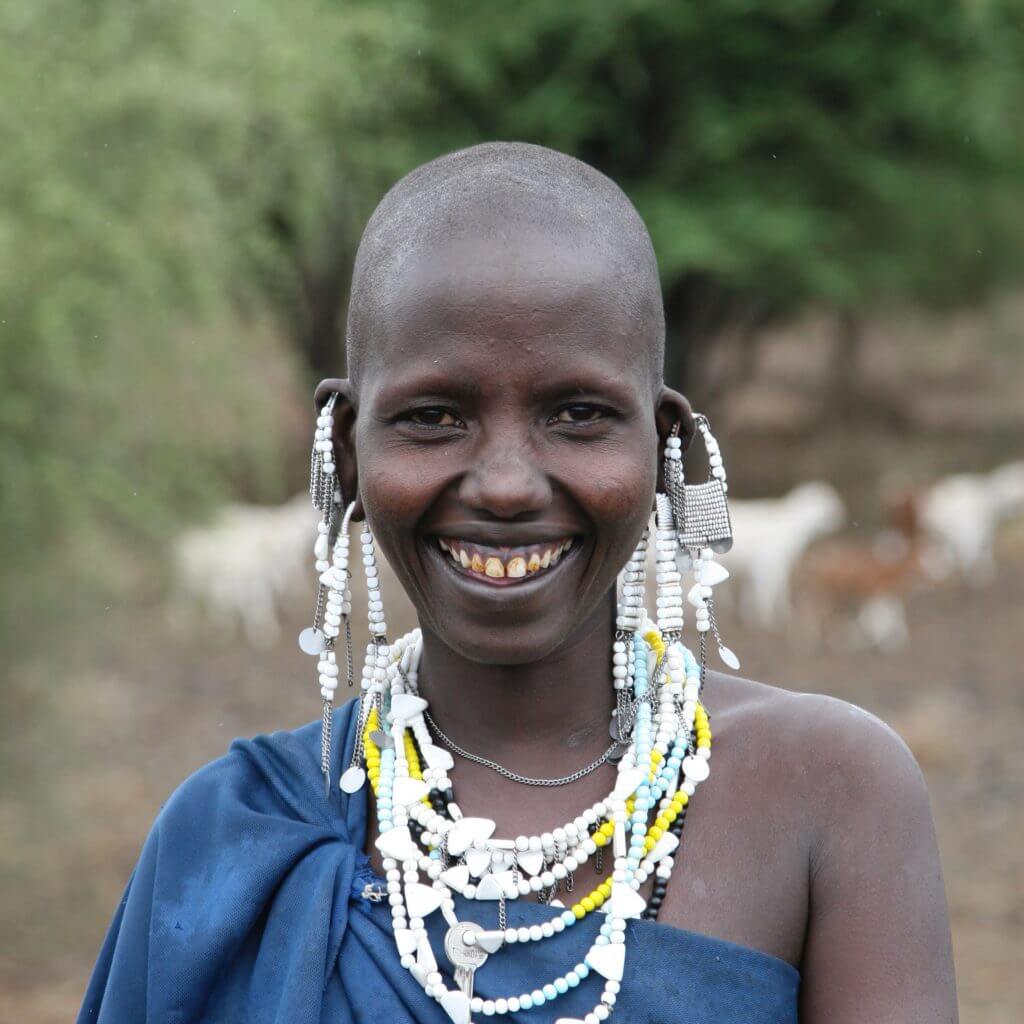
Initiation rituals remain an integral part of Maasai life. Male circumcision marks the transition from boyhood to warriorhood, a stage during which young men live in special settlements known as manyattas. Ear stretching, facial markings, and decorative beadwork also hold cultural value, serving as expressions of beauty, identity, and social role.
Female initiation, while less emphasized in contemporary discussions, has historically included various rites tied to marriage readiness. These practices are closely linked to age-set progression and are guided by elders and ritual leaders.
Traditional Diet and Medicine
The Maasai diet traditionally revolves around milk, blood, and meat, primarily from cattle. Milk is consumed fresh or fermented, while blood is sometimes taken during ceremonies or in periods of illness. Over time, maize meal (ugali) and vegetables have become more common through trade and local cultivation.
Medicinal knowledge is largely herbal, passed down through generations. Roots, bark, and leaves are used to treat ailments ranging from stomach disorders to respiratory infections, with certain plants held in high regard for their cleansing or strengthening properties.
Housing and Shelter
Traditional Maasai houses – enkangs – are built by women using a mix of mud, sticks, grass, and cow dung. These small, dome-shaped homes are clustered together to form compounds surrounded by protective fences made from thorny branches.
Each compound is shared by extended families and includes livestock enclosures at its center. While some Maasai communities have begun to adopt more permanent housing materials, many still construct and maintain their shelters in the same way their ancestors did.

DATOGA
The Datoga are a pastoralist ethnic group primarily found in north-central Tanzania, particularly in the areas surrounding Lake Eyasi and the Manyara and Singida regions. Known for their strong cultural identity, they are traditionally cattle herders and blacksmiths, and they maintain a distinct appearance through facial markings and traditional dress. Their language belongs to the Southern Nilotic branch, placing them in the same broader linguistic family as the Kalenjin of Kenya. Despite being surrounded by other groups such as the Iraqw and Hadzabe, the Datoga have held onto many of their customs and continue to live in rural, scattered settlements that revolve around livestock and clan-based structures.
Cultural Exchange and Influences
Over time, the Datoga have come into close contact with various neighboring communities, particularly the Iraqw, Isanzu, and Hadzabe. This has led to limited cultural exchange, especially in terms of trade and intermarriage, though the Datoga have maintained a strong sense of cultural distinction.
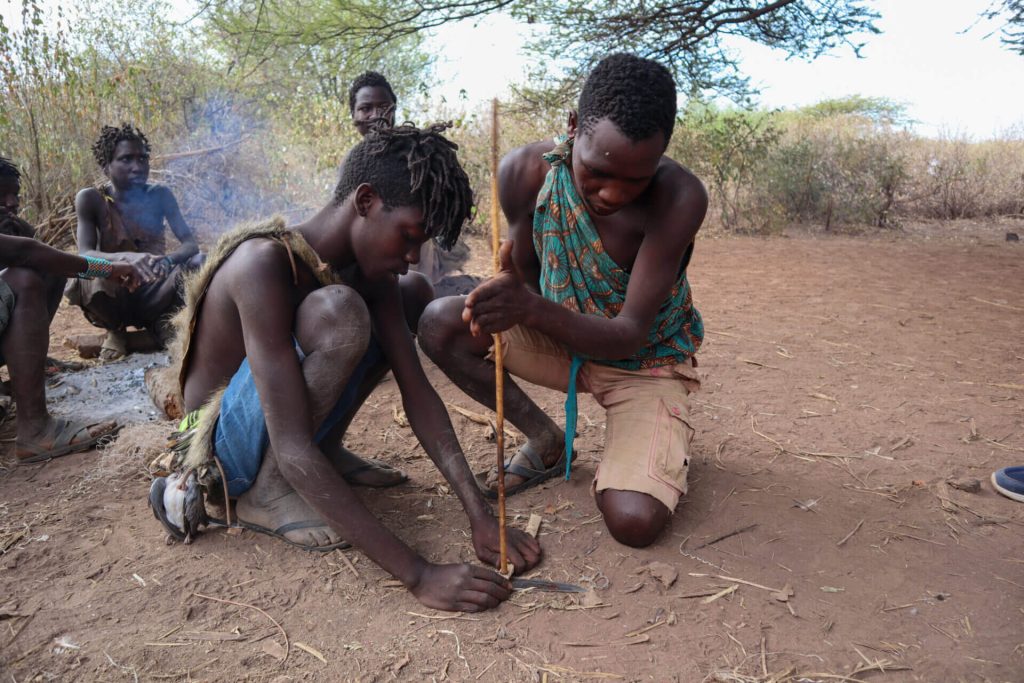
Their traditional role as blacksmiths has made them vital to surrounding communities, especially the Hadzabe, who depend on Datoga iron tools and arrowheads. Yet despite this interaction, the Datoga have kept to their own rituals, clothing styles, and internal social order, rarely adopting the agricultural or settlement patterns of their neighbors.
Formation of Proto-Kalenjin and Proto-Datooga
Historical linguistic and anthropological studies suggest that the Datoga and Kalenjin groups share a common origin, descending from a proto-community that lived in the southwestern Ethiopian highlands.
Over generations, these populations began to diverge, with one group moving into what is now Kenya and becoming the Kalenjin, while the others moved south into Tanzania and evolved into the Datoga. This early separation allowed for both linguistic and cultural evolution, with the Datoga gradually absorbing influences from their southern environment while retaining elements of their Nilotic roots.
Dialect Diversity and Regional Influence
The Datoga language, known as Datog or Datooga, features a range of dialects that reflect the group’s geographic spread and historical fragmentation. These dialects can be mutually unintelligible, with some groups developing unique speech patterns due to prolonged isolation or contact with specific neighboring languages.
Regional influence is also evident in vocabulary borrowed from Cushitic and Bantu languages, particularly in areas where Datoga communities have interacted with the Iraqw or Nyaturu. Despite this diversity, there remains a shared core of vocabulary and grammar that unifies the group linguistically.
Sub-Tribes of the Datoga
The Datooga, also known as the Taturia, are internally divided into several sub-tribes, each with its own identity, dialect, and cultural nuances. These sub-groups include the Bajuta, Gisamjanga (also called Kisamajeng or Gisamjang), Barabayiiga (also known as Barabaig, Barabayga, Barabaik, or Barbaig),
Asimjeeg (alternatively Tsimajeega or Isimijeega), Rootigaanga (also referred to as Rotigenga or Rotigeenga), Buraadiiga (also called Buradiga or Bureadiga), and Bianjiida (alternatively Biyanjiida or Utatu). Each sub-tribe maintains its own settlements and leadership structure, with variations in dialect and dress, yet they all identify under the broader Datoga umbrella.
