Lake Manyara is a compact yet diverse wildlife sanctuary set beneath the Great Rift Valley escarpment. Known for its lush groundwater forest, open floodplains, and soda lake, the park supports rich birdlife, tree-climbing lions, and large troops of baboons, offering dramatic scenery and varied wildlife encounters within a short drive.
LAKE MANYARA NATIONAL PARK
Overview
Tucked below the escarpment of the Great Rift Valley, Lake Manyara National Park may not appear large on the map, just over 320 square kilometers, but it holds more variety and contrast per square kilometer than many much larger reserves. The park is often treated as a stopover on the way to the Serengeti or Ngorongoro, but those who pay attention quickly realize that this is a destination in its own right.
The Rift Valley
The Rift Valley wall dominates the horizon, creating a steep backdrop that shifts color with the light. Below it, the floodplain opens toward a shallow alkaline lake that expands and contracts with the seasons.
Between the forest at the gate and the lakeshore lies a surprising mix of habitats: groundwater springs, acacia woodland, open grassy areas, and a narrow belt of swamps and marshes. This compressed range of ecosystems supports a diversity of life that is often underestimated.
Manyara may be quieter than its neighbors, but it rewards those who explore it with a safari experience that feels close, concentrated, and richly textured.

Where Forest Meets the Rift Valley
Wildlife and Birdlife
Lake Manyara is most famous for its tree-climbing lions, a behavior rarely observed elsewhere in Tanzania. These lions often rest across the horizontal limbs of acacia trees, particularly during the hotter months. The park is also home to a large population of baboons, easily seen in the forested areas near the entrance. Troops move in groups of dozens, offering travelers a chance to observe social behavior up close.
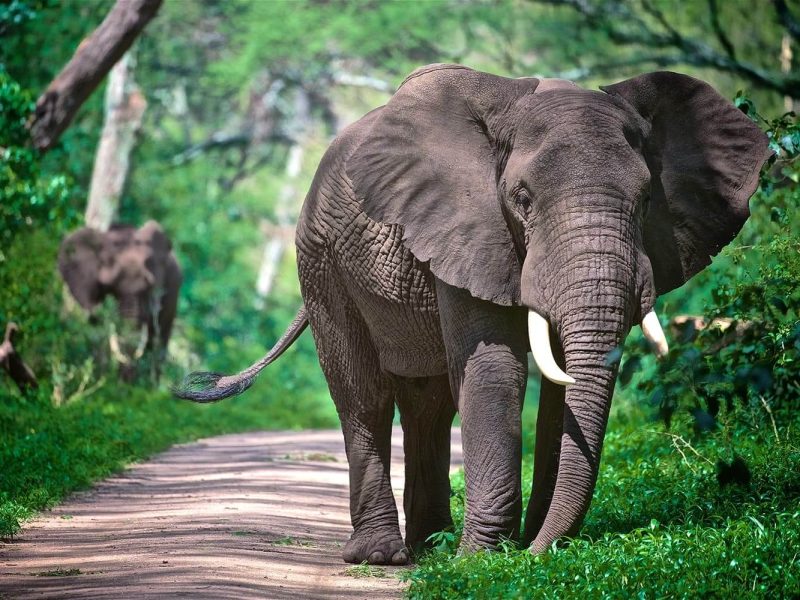
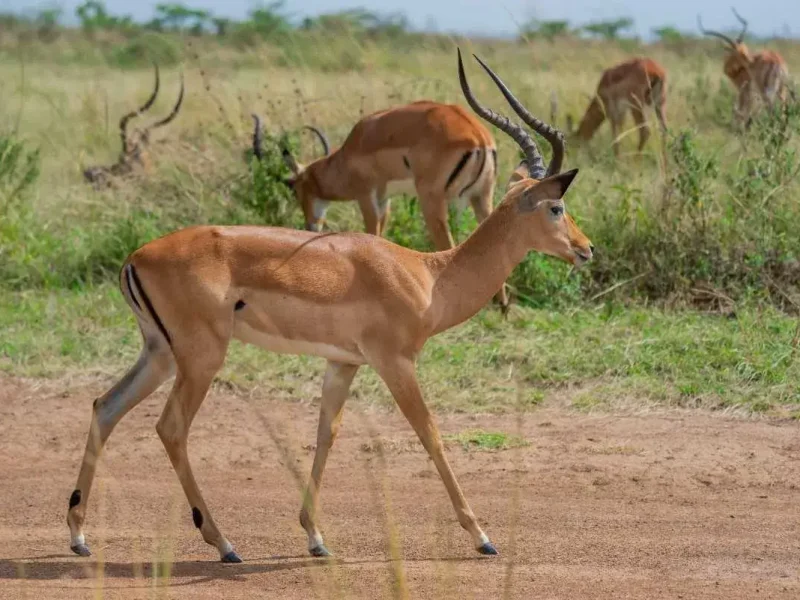
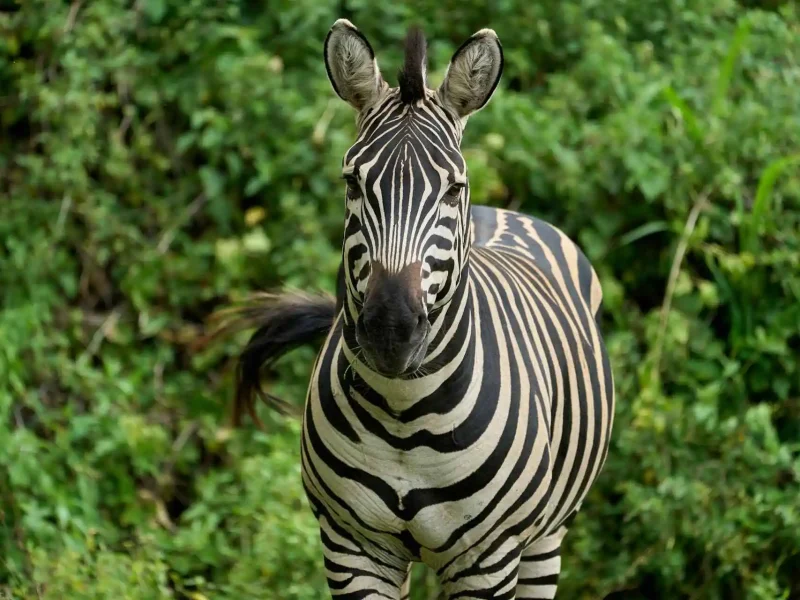
Buffaloes, giraffes, zebras, wildebeests, and impalas are commonly sighted throughout the woodlands and open clearings. Hippos gather in pools and rivers near the lake’s edge, while elephants are seen moving quietly through the fig and mahogany groves, especially in the wetter months when the forest is at its thickest.
Birdlife here is nothing short of spectacular. Over 400 species have been recorded, including migratory flocks and waterbirds. The lake itself often turns pink with thousands of flamingos, while pelicans, storks, kingfishers, and cormorants gather along the shoreline and swampy fringes.
The crowned eagle, a powerful forest hunter, is also found here, making the birding experience both varied and rewarding.For a park of this size, the density of life is impressive. Every bend in the track feels alive, and the transition between ecosystems is so swift and constant that even short game drives can offer striking diversity.
Best Time to Visit
June to October
The dry season brings thinner vegetation, making animals easier to spot. Wildlife tends to gather at permanent water sources, and the park is generally easier to navigate.
November to December
Short rains return, reviving the landscape and drawing elephants and birdlife into the forested areas. Flamingos and other waterbirds become more abundant.
January to March
The park remains lush, and wildlife is active. This period is good for birdwatching, with many species nesting or migrating through.
April to May
This is the long rainy season. Although fewer visitors come during this time, the park is at its most atmospheric, and sightings, particularly of forest elephants and birdlife, can still be excellent for those willing to brave the occasional downpour.
Lake Manyara Gallery