
CULTURAL SAFARIS
The Hadzabe / Hadza
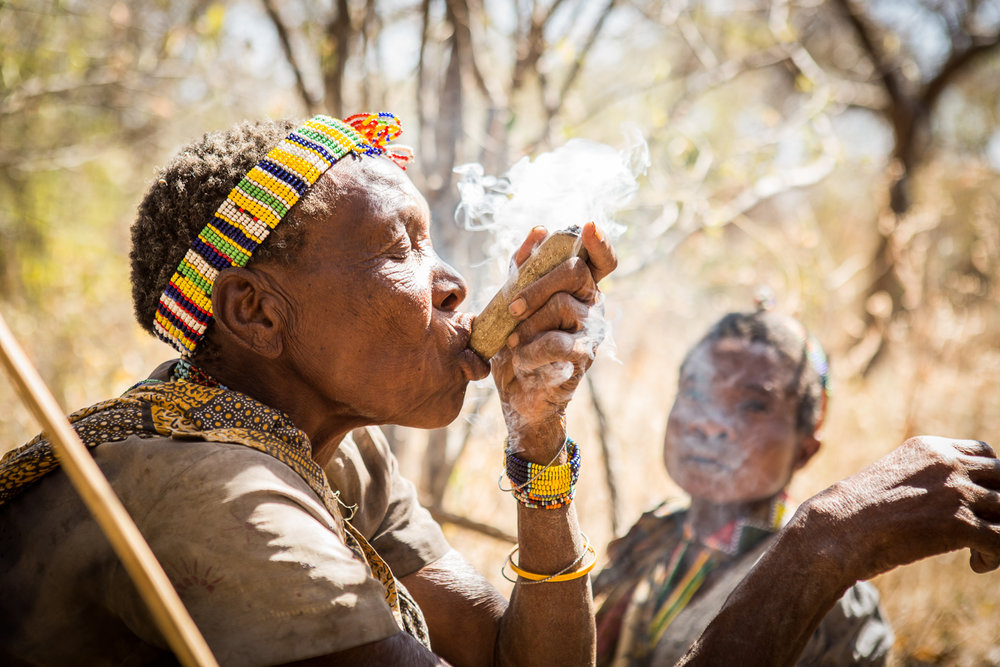
The Hadzabe are an indigenous community living around the Lake Eyasi basin in northern Tanzania. They are one of the last remaining hunter-gatherer societies in Africa and have lived in this region for thousands of years. Despite repeated efforts by the government, religious groups, and development organizations to introduce farming, permanent settlement, and religious conversion, the Hadzabe have continued to follow their traditional way of life. They rely on hunting game with bows and arrows and gathering wild fruits, roots, and honey. Their survival is based entirely on the natural environment around them.
Language, Culture and Customs
The Hadzabe speak Hadzane, a unique language that includes click sounds similar to those in some southern African languages. Despite this similarity, Hadzane is not related to any other language and is only spoken by the Hadzabe themselves.
Their culture is based on shared resources, with no formal leadership or hierarchy. They live in small mobile groups, build simple temporary shelters, and do not practice farming or animal domestication. There are no ceremonies or institutions beyond what is necessary for daily survival.
Their customs are passed down orally, and their identity remains defined by self-sufficiency and minimal contact with the outside world.
Historical Background
The Hadzabe are considered among the oldest inhabitants in East Africa. Long before the arrival of herding and farming communities, the Hadzabe were already living in the region, relying on hunting and gathering. Over time, their land has been reduced by conservation policies, neighboring settlements, and agriculture. However, they still retain access to some areas around Lake Eyasi.
Unlike most tribes in Tanzania, the Hadzabe have not been integrated into modern village life and continue to live in small groups, disconnected from state systems and formal governance.
Genetic and Archaeological Uniqueness
Genetic studies have shown that the Hadzabe are not closely related to any other ethnic group in Tanzania, including those that live near them.
Their language and DNA indicate a long and isolated lineage, with no known link to Bantu, Cushitic, or Nilotic populations. Archaeological research in the Lake Eyasi basin supports the idea of long-term occupation, with stone tools and evidence of foraging lifestyles going back thousands of years.
Their genetic and cultural isolation makes them one of the most distinct groups in Africa, both scientifically and anthropologically.