


Tanzania’s Southern Circuit offers a remote, uncrowded safari experience, perfect for travelers seeking privacy and authentic wilderness. Centered around Ruaha, Nyerere (Selous), Mikumi, and Udzungwa, the region is known for vast open landscapes, large elephant populations, predators, and rich birdlife. Unique activities such as game drives, boat safaris, walking safaris, and hiking create a deeper, more immersive safari experience away from the busy northern parks.
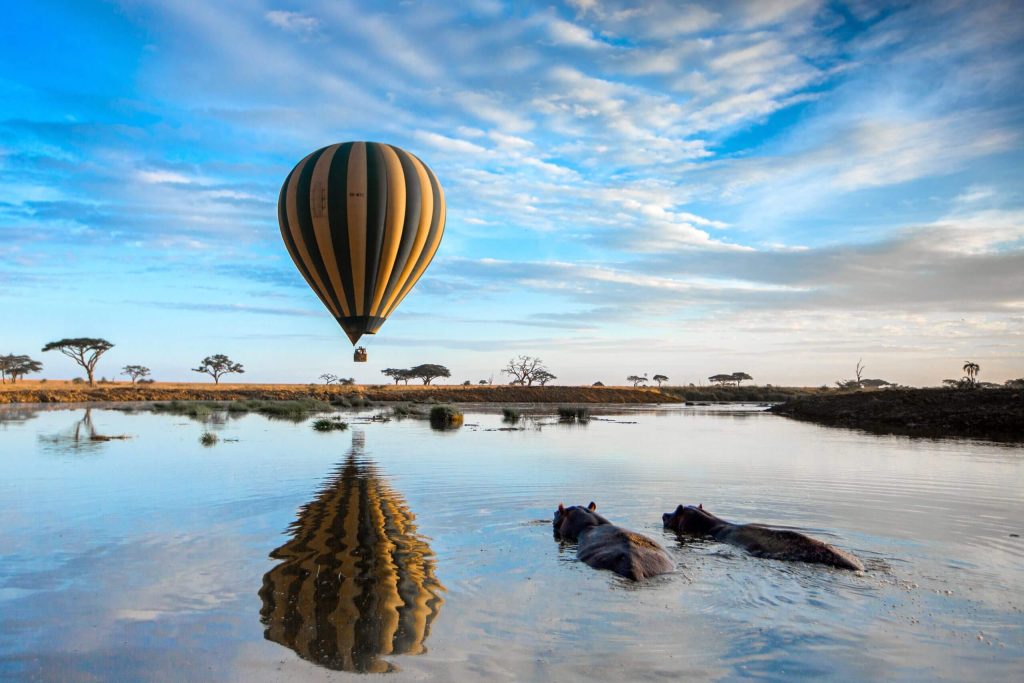
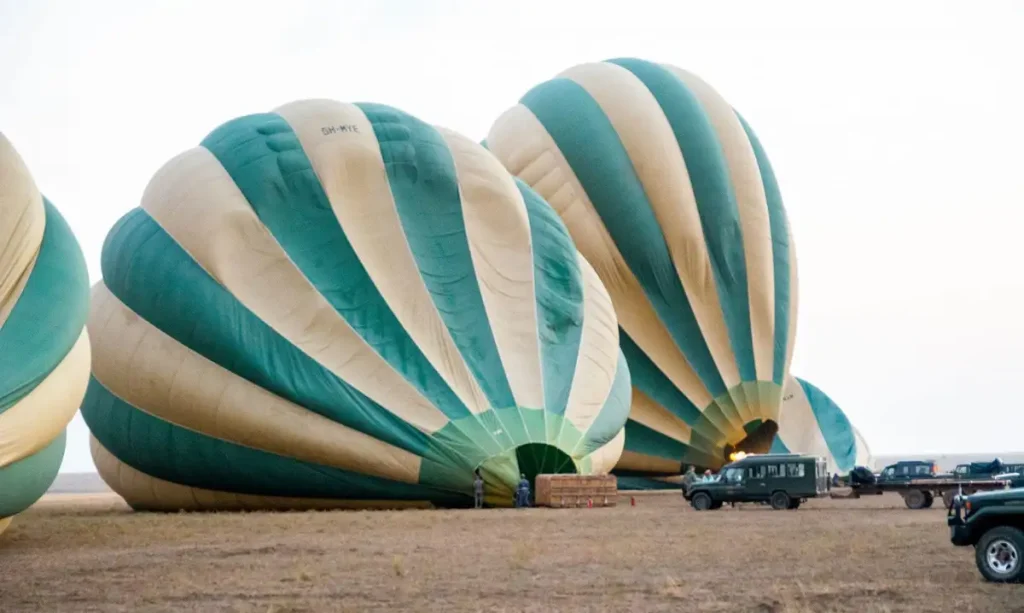
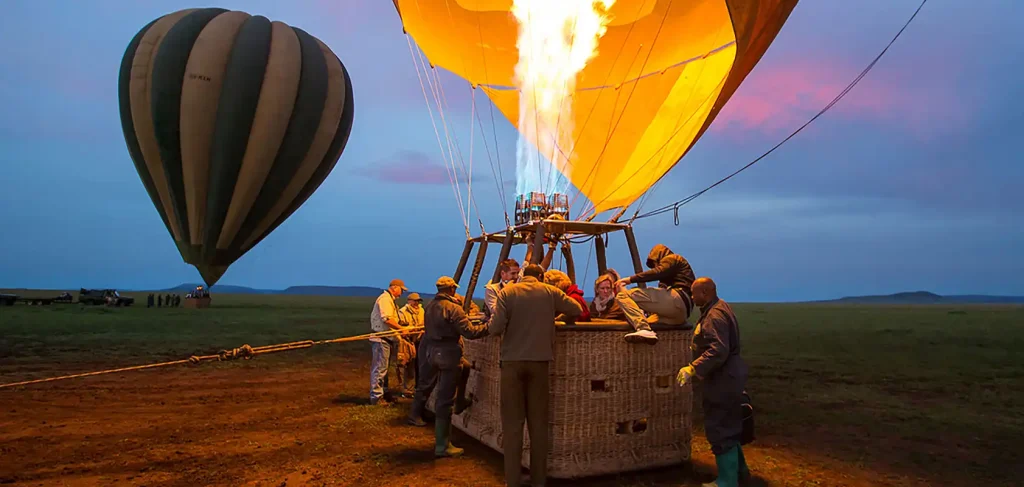
A hot air balloon safari over Serengeti offers a different way of seeing the African savannah. It’s a unique option if you are looking to add extra layer to your wildlife experience.
From the air, the sheer scale of the ecosystem becomes clear: open plains stretching beyond the horizon, scattered with herds of elephants, giraffes, buffalo, and, in the migration months, an almost endless stream of wildebeest.
The flight is typically done early in the morning and fits perfectly into a longer itinerary in the central or western Serengeti, especially if you are staying in camps near the designated launch sites.
After landing, guests are treated to a setting arranged under the shade of acacia trees or in a scenic area. Here, a full English-style breakfast is served, complete with coffee, tea, fresh juices, and champagne. It’s relaxed, unpretentious, and well-organized breakfast to help you freshen up after the flight.
A small ceremony follows, where every guest receives a certificate as a keepsake of their balloon flight over Serengeti.
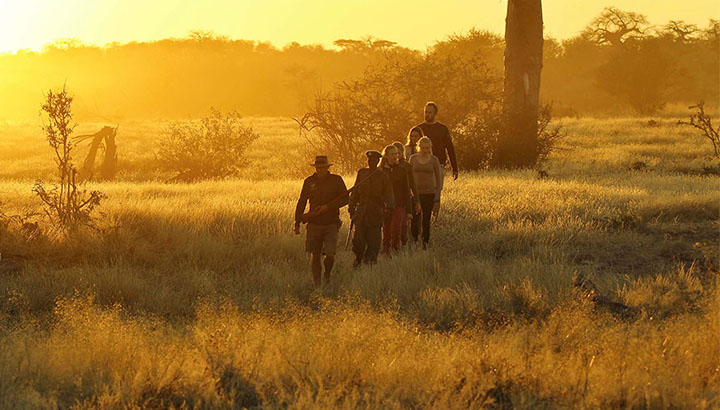
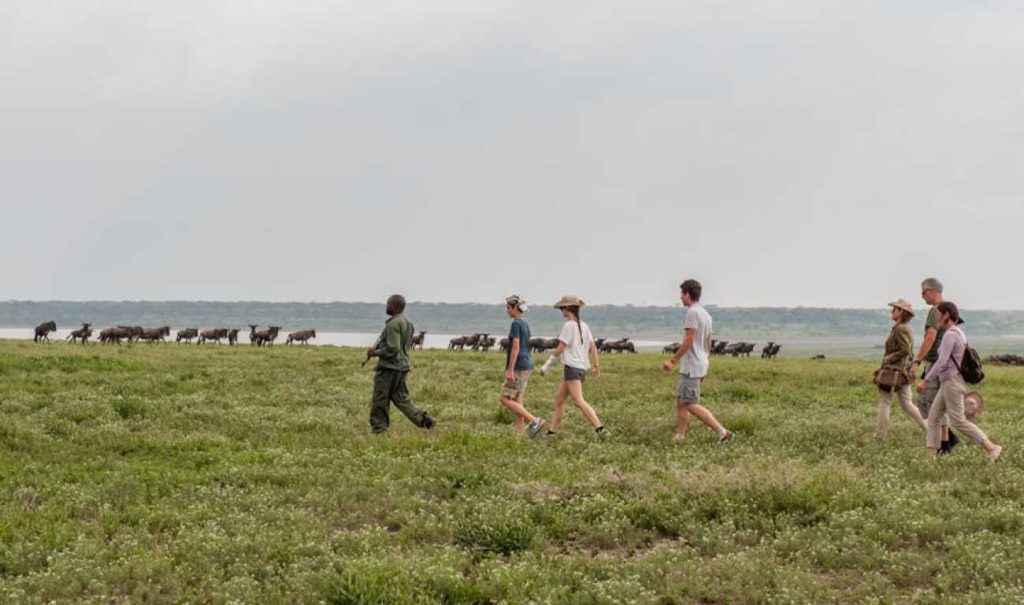
Walking safaris offer a different kind of experience where you step off the vehicle and into the terrain where every sound, footprint, and shadow feels so real.
Unlike a traditional game drive, walking through the bush brings a sense of awareness that’s impossible to replicate behind glass. Led by trained, armed ranger, walking safaris focus less on chasing big game and more on observing the details: animal tracks, fresh dung, broken branches, or the behavior of smaller creatures.
This is where travelers begin to understand how the ecosystem works. Safety is always a priority, and every walk is paced and structured to match the area, the time of day, and wildlife movement patterns.
Walks here often begin early in the morning when the air is cool and wildlife is most active.
provide raw, open terrain where walking becomes an immersion in silence and stark beauty.
The terrain varies from miombo woodland to riverfronts, and walks are often combined with boat safaris or overnight fly-camps.
Walks here can involve tracking lions, identifying medicinal plants
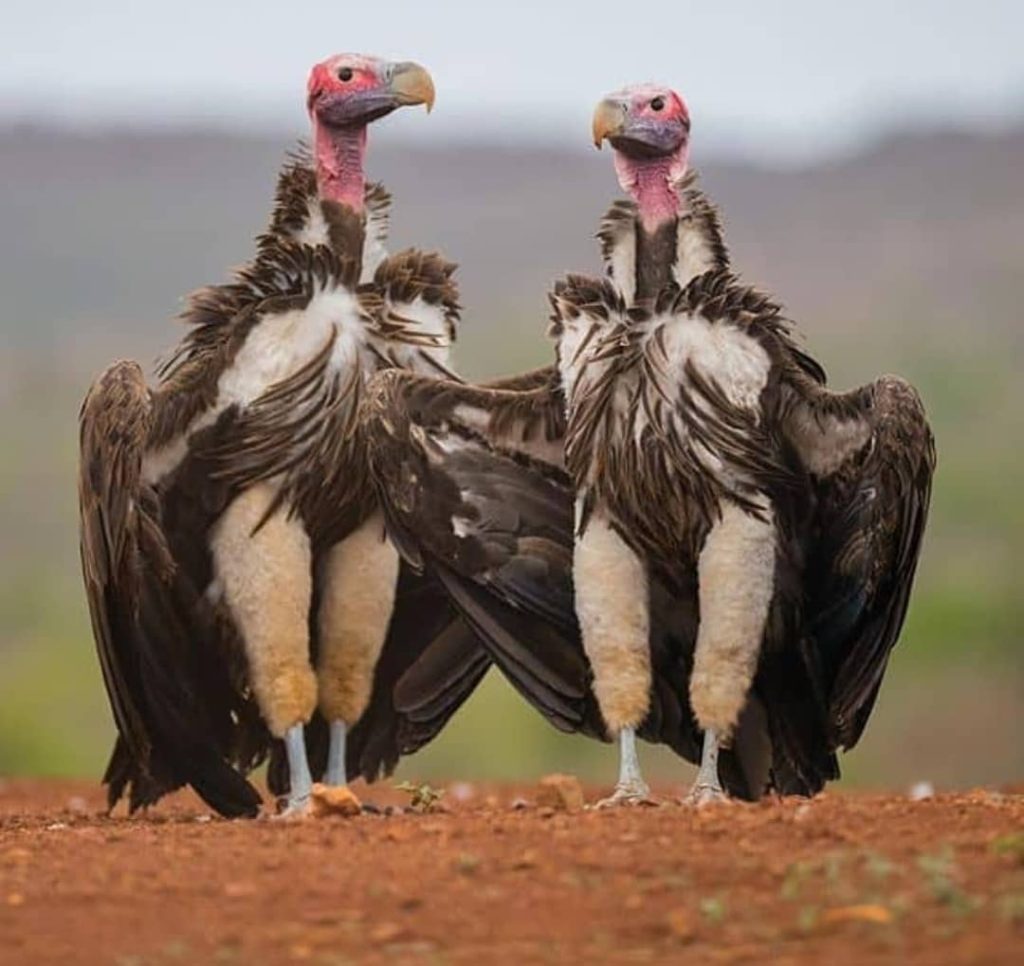
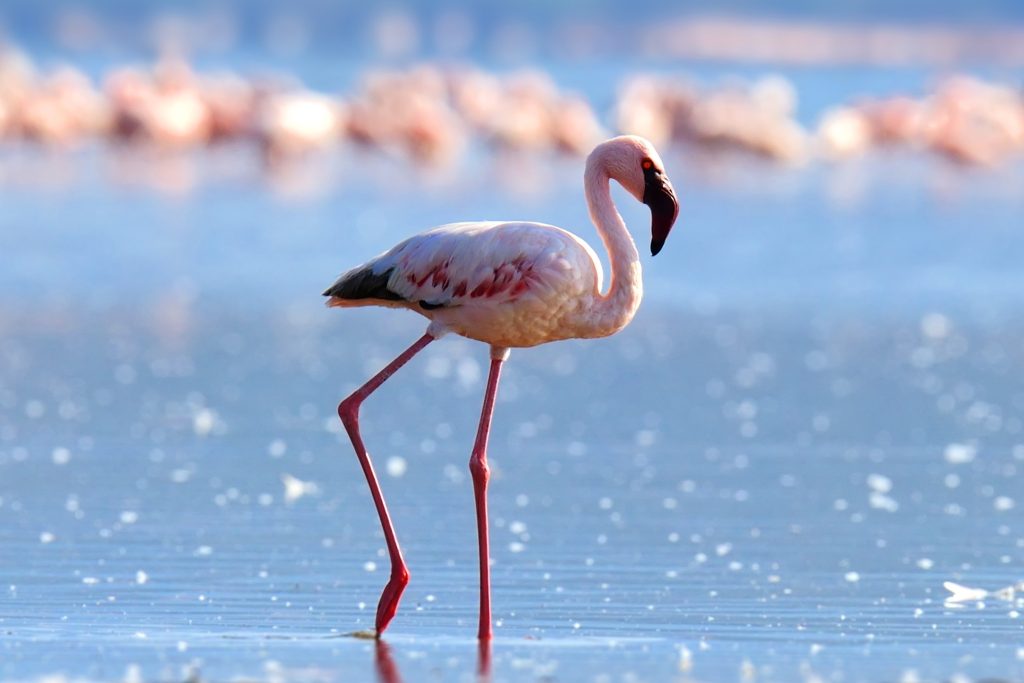
Tanzania offers one of the richest birding experiences in Africa, with over 1,100 documented species across various ecosystems.
From alkaline lakes to montane forests and open savannas, the country’s diverse habitats support a wide variety of resident and migratory birds. The abundance of birds is not limited to remote reserves, many species can be seen right from campgrounds, lodge balconies, or even during game drives, adding another layer to the safari experience.
is especially known for its vibrant population of flamingos and waterbirds, thanks to the alkaline lake
is a stronghold for birders, with more than 500 species recorded. The mix of wetlands, baobab woodlands
offers highland birding in addition to what can be seen on the crater floor
though more famous for its large mammals, is also a rewarding birding destination.
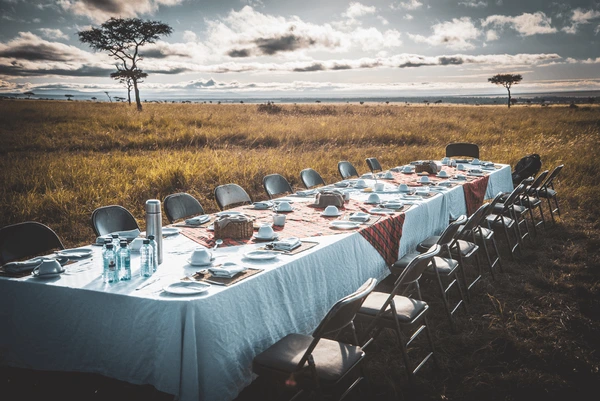
Bush dining offers a memorable extension of the safari experience, not because of extravagance, but because of where and how it happens. You’re not in a restaurant or a resort hall, you’re in the open wild, surrounded by nature’s presence.
Meals are freshly prepared and served in carefully chosen locations, sometimes under the shade of an acacia tree during a midday break, or beside a campfire after a long game drive. It’s not about performance; it’s about the calm of the landscape, the distant call of wildlife, and a table set where you least expect it. What makes bush dining exceptional is the effort behind its simplicity — discreet service, real food, and the feeling that you’re exactly where you should be, with no walls between you and the world you came to see.