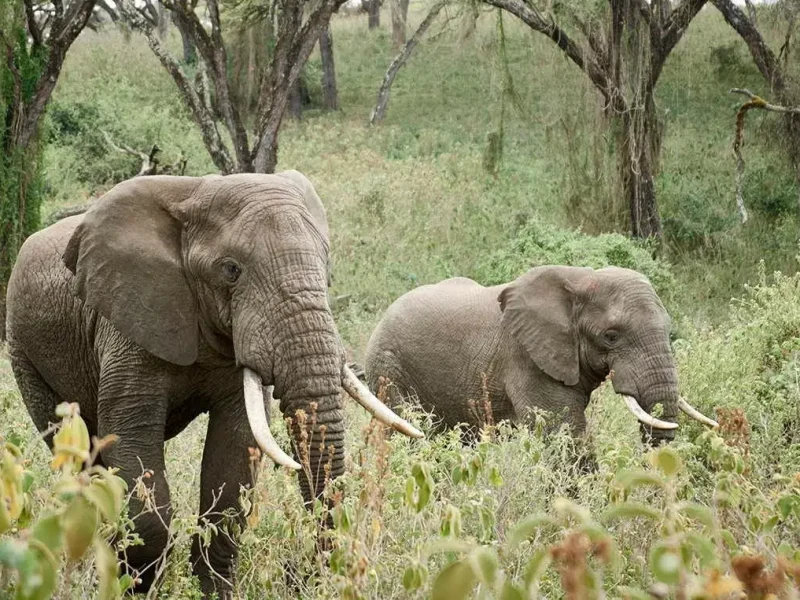
Tarangire is a powerful wildlife sanctuary defined by towering baobab trees and some of the largest elephant herds in Tanzania. Centered around the life-giving Tarangire River, the park draws vast concentrations of wildlife during the dry season, creating dramatic scenes of survival, movement, and raw African wilderness.
TARANGIRE NATIONAL PARK
Overview
Located about two hours southwest of Arusha by road, Tarangire is one of northern Tanzania’s most accessible wildlife destinations, and yet, it still manages to feel remarkably wild. Covering approximately 2,850 square kilometers, the park is part of a larger conservation system that links with Lake Manyara, the Maasai Steppe, and migratory corridors that stretch toward the southern reaches of the Serengeti.
Tarangire is best known for two things: elephants and the baobab tree. However, the truth is, its value runs deeper. The park receives fewer visitors than the Serengeti or Ngorongoro, which allows for less crowded game drives and a more relaxed atmosphere overall. This makes it an excellent choice for travelers arriving in Arusha looking for a first safari experience, or for those with limited time who still want meaningful wildlife encounters. Its proximity also makes it a natural inclusion in most northern circuit itineraries, often paired with Lake Manyara or Ngorongoro for short overnight stays.
Wildlife and Birdlife
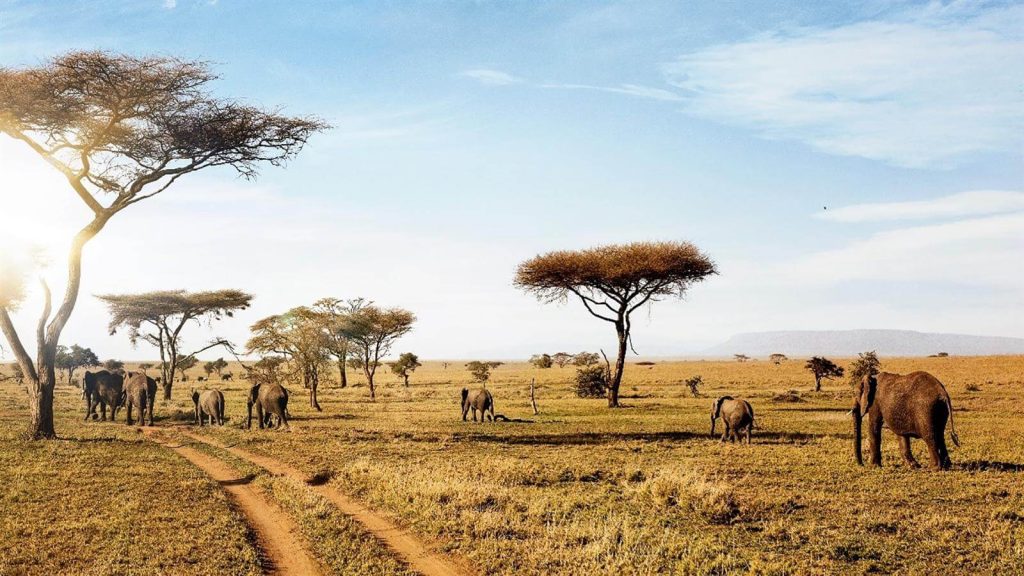
Tarangire is one of the best places in East Africa to see large herds of elephants. During the dry season, it’s not unusual to see groups of twenty, thirty, or even more, gathered around water sources or moving slowly through the grasslands. The open terrain, scattered woodland, and relatively low tourist traffic all contribute to excellent visibility, allowing you to observe the elephants’ social interactions with little obstruction.
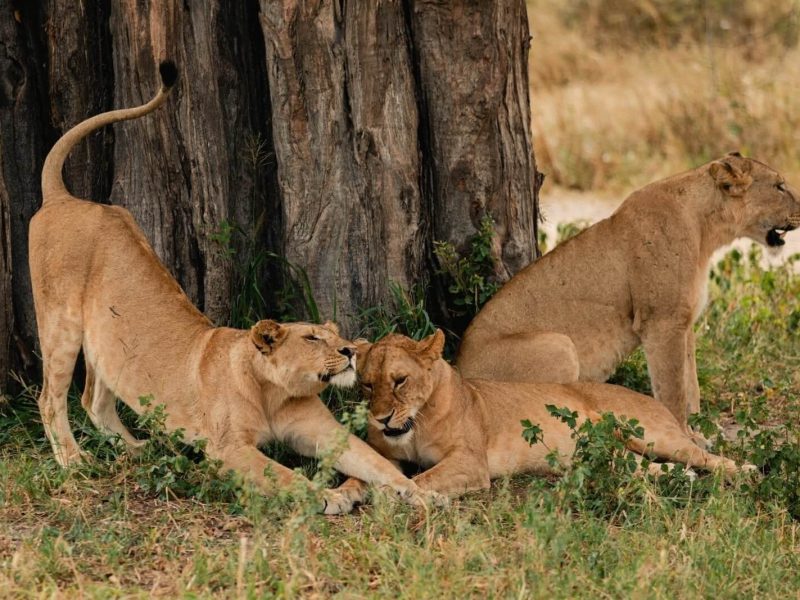
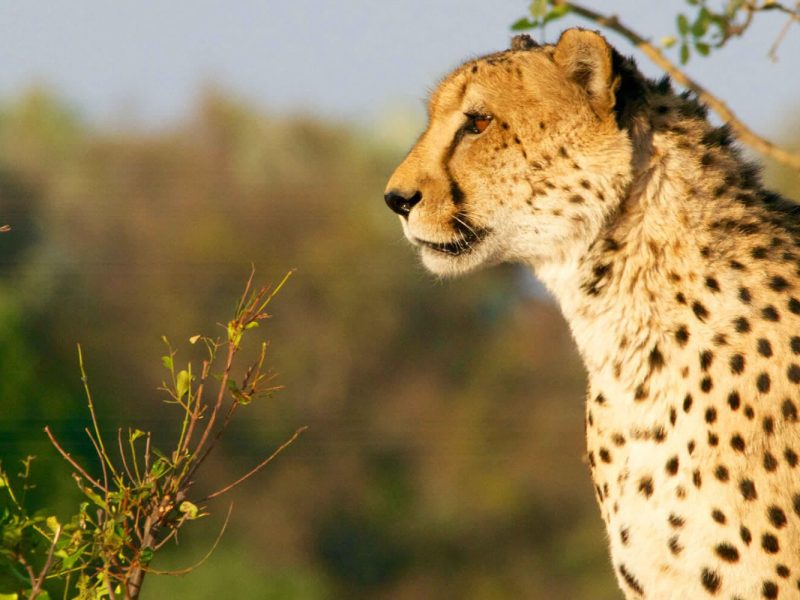
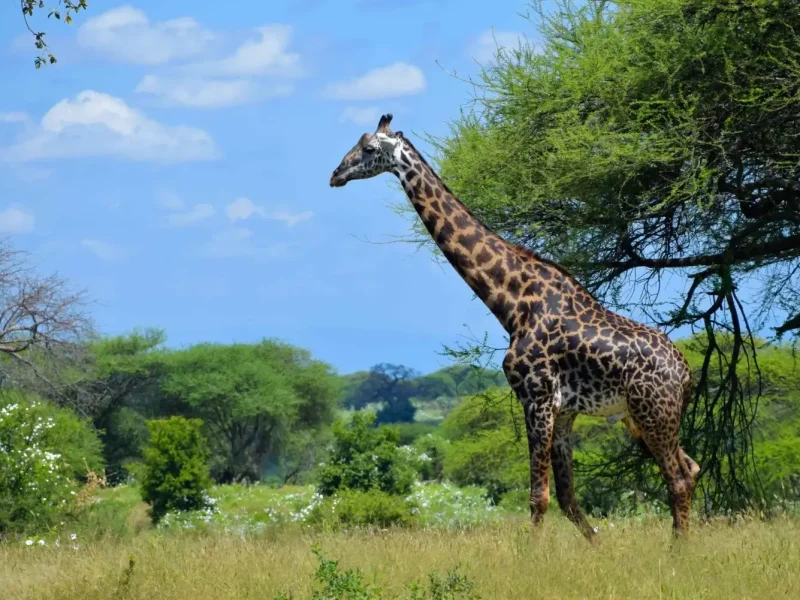
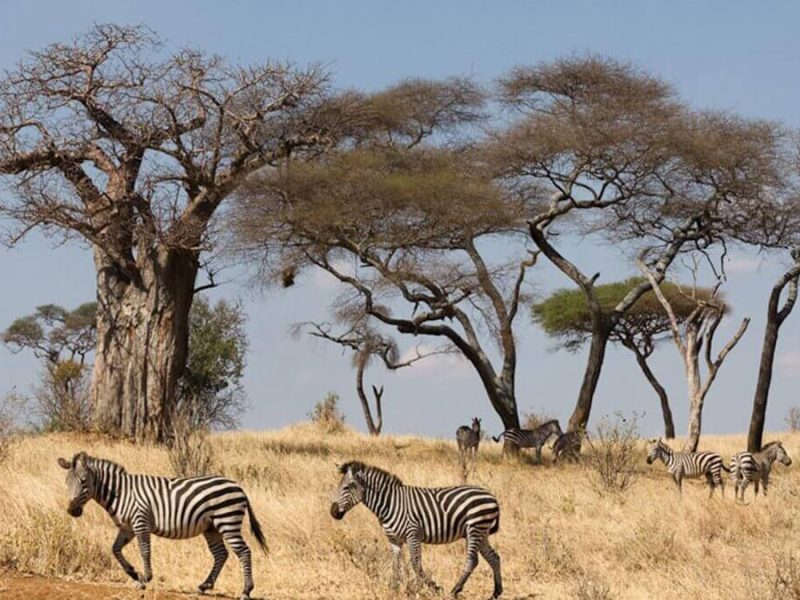
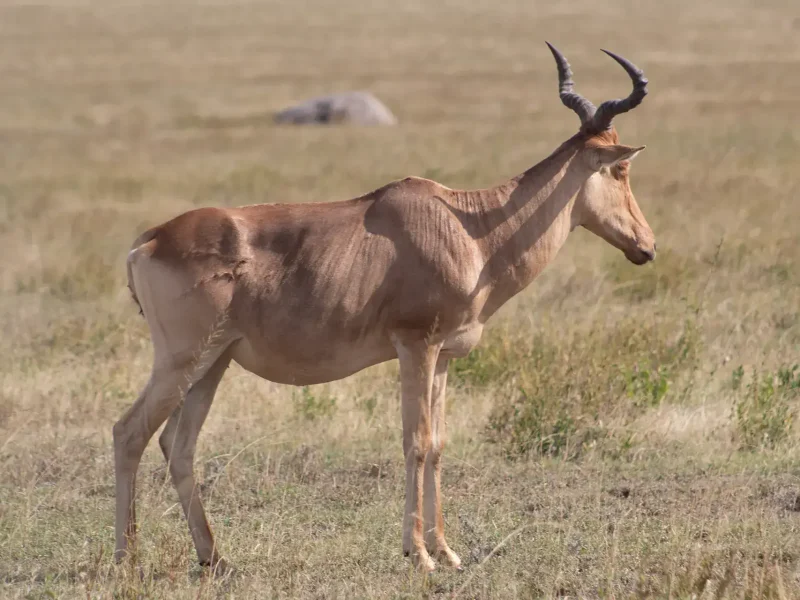
Beyond the elephants, the park supports a healthy population of predators including lions, leopards, and cheetahs. Giraffes, buffaloes, wildebeests, zebras, and impalas are all seen regularly, while fringe species like kudu, eland, and oryx appear more often here than in many of the more visited parks in the north. The park is also home to rare sightings like wild dogs, though these are more seasonal.
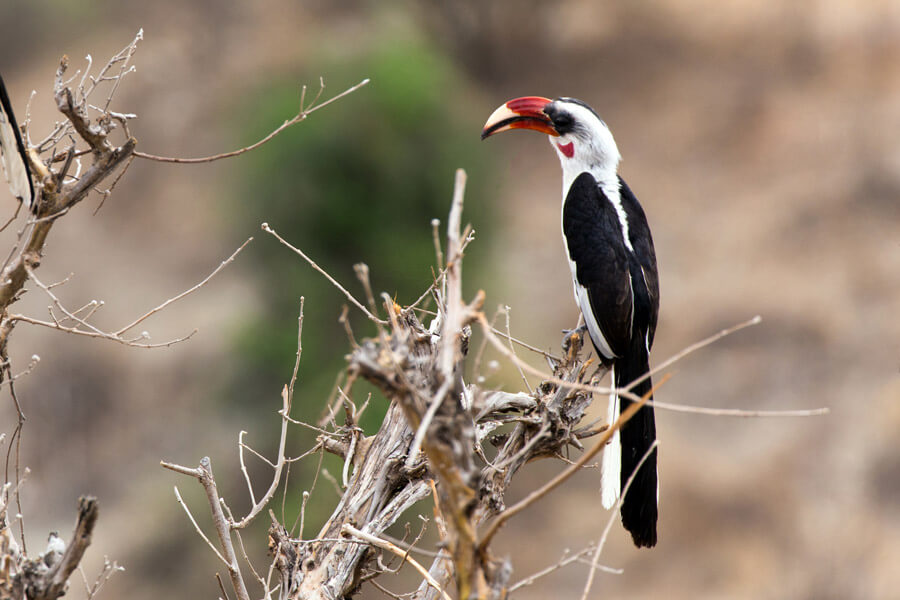
For birdwatchers, Tarangire offers a remarkable variety, over 500 recorded species. You’ll find everything from ground-dwelling ostriches and kori bustards to lilac-breasted rollers and yellow-collared lovebirds. Raptors are especially prominent, with bateleurs, martial eagles, and fish eagles regularly sighted, especially near the water. The density and diversity of birdlife adds another layer of interest to every game drive, even in the quieter hours between large animal sightings.
The Ecosystem and Landscape
Tarangire’s landscape is defined by a combination of open savannah, river valleys, swamps, and woodland. The most iconic feature, though, is its population of ancient baobab trees. These massive trunks, some of them believed to be over a thousand years old, stand like monuments across the plains. Their hollowed bases and gnarled silhouettes create a visual texture that’s instantly recognizable, giving the park a character all its own.
During wetter months, grasses grow high and lush, while the drier periods reveal bare earth and clearer game tracks. Patches of dense acacia woodland shelter animals in the heat of the day, and seasonal swamps near the southern edges of the park attract grazers and birds in impressive numbers. This mix of habitats supports not only a wide range of wildlife but also lends itself to varied driving routes and ever-changing scenery.
Land of Giants and Baobabs
The Tarangire River
The park takes its name from the Tarangire River, which flows northward through the heart of the landscape. During the long dry season, this river becomes a lifeline. As seasonal waterholes and smaller streams dry up across the region, animals converge here to drink, feed, and rest.
Game viewing intensifies naturally, as herds concentrate along the riverbanks and predators take advantage of the traffic. The presence of the river gives the park a focal point. It offers not only reliable wildlife activity but also scenic contrasts – from sandy bends with dust-kicked elephant trails to steep banks shaded by figs and acacias.
For guides like those of Old Trails Safaris who know the terrain well, the river is the center of the daily story. Knowing where to wait, when to move, and how the herds flow along the river makes the experience feel meaningful.
Best Time to Visit Tarangire
June to October
The dry season is the most productive time to visit. Wildlife concentrates heavily around the Tarangire River, making for easier and more frequent sightings. Elephants are especially abundant.
November to December
Short rains begin to green the landscape. Wildlife disperses slightly, but the park remains active. Migratory birds begin to arrive, enriching birdlife considerably.
January to March
Game viewing is still good, with calving season bringing newborns and heightened predator activity. The park is lush, though some tracks may be muddy.
April to May
Long rains arrive. While this is the quietest season for tourism, it’s also the most atmospheric. The park is vivid and alive, and those who venture in during this time are rewarded with solitude and dramatic scenery.
Tarangire Gallery